Introduction
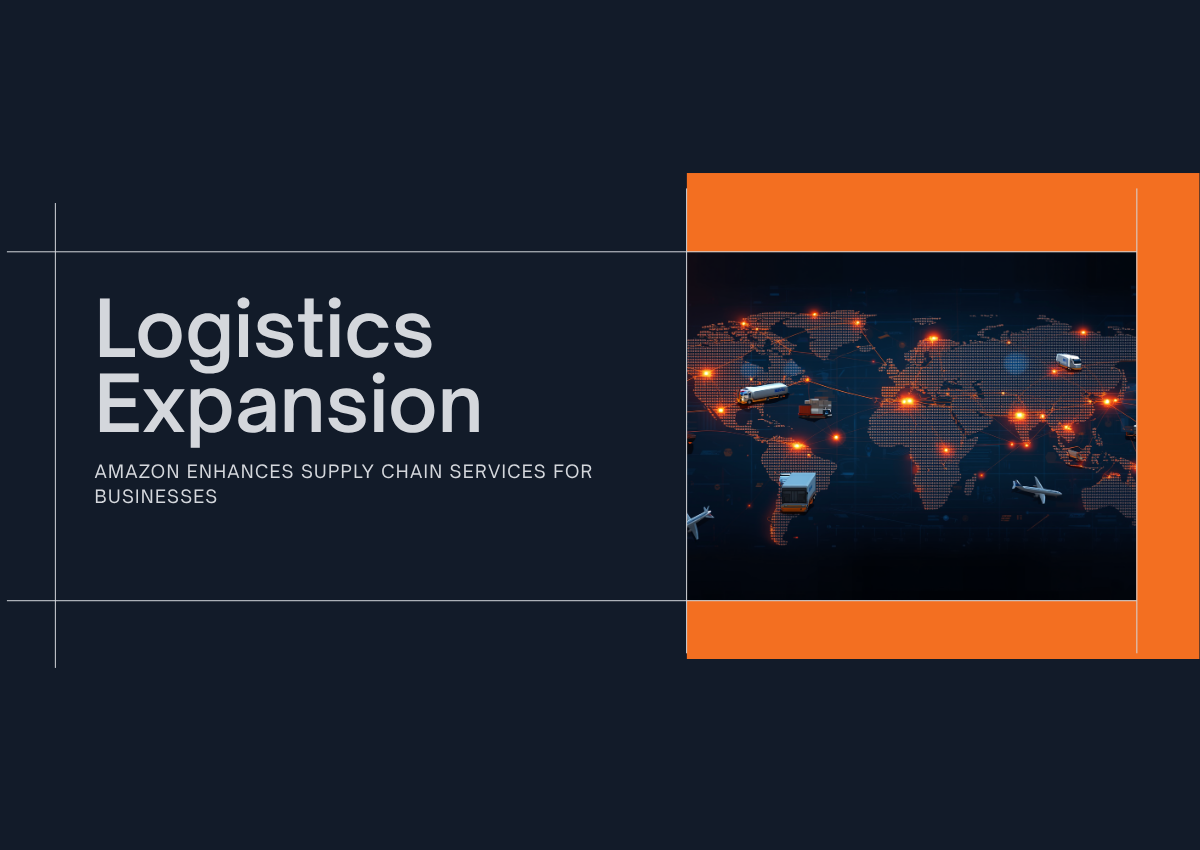
Amazon has introduced a new initiative called Amazon Supply Chain Services, marking a major step in opening its logistics network to businesses beyond its own marketplace.
With this launch, Amazon is extending its full range of supply chain capabilities—including freight, warehousing, distribution, fulfillment, and delivery—to companies of all sizes and across multiple industries. This move allows businesses not just on Amazon, but also those operating through their own websites, physical stores, or other channels, to leverage Amazon’s infrastructure.
A Shift Toward Full-Service Logistics
Over the years, Amazon has built one of the most advanced logistics networks in the world. Now, the company is positioning that same system as a service for external businesses.
Through this offering, companies can manage the movement of goods from manufacturing locations to customers more efficiently. This includes storage, inventory management, and delivery—all handled within a single integrated system.
The service is designed to simplify complex supply chain operations, allowing businesses to focus more on growth rather than logistics challenges.
Supporting Multiple Industries and Sales Channels
Amazon’s new supply chain solution is not limited to online sellers. It is built to support a wide range of industries, including:
- Retail
- Manufacturing
- Healthcare
- Automotive
Businesses can also use these services across different sales channels, such as eCommerce websites, social media platforms, and offline stores. This flexibility makes it easier for companies to manage operations from a centralized system.
Competing in the Logistics Space
With this launch, Amazon is stepping more directly into the third-party logistics (3PL) space, competing with established players in the industry.
The company is leveraging its scale, technology, and experience to offer faster delivery, improved efficiency, and cost advantages. Its existing infrastructure—built over decades—now becomes a competitive tool for businesses looking to streamline their supply chains.