Nav Preview
  • How Amazon Sellers Can Drive Traffic to Their Shopify Store in 2026

    Selling on Amazon is exciting.

    Sales come fast, customers trust the platform, and growth almost feels automatic.

    Until it doesn’t.

    One policy update, rising ad costs, fierce competition, and suddenly, you realize something important. Those customers aren’t really yours.

    That’s exactly why more brands are investing in omnichannel ecommerce. They’re using Amazon to acquire buyers while building Shopify stores that create repeat customers, stronger margins, and long-term brand value.

    This guide explains how to use Amazon external traffic the right way, grow your Shopify traffic, improve Shopify conversion optimization, and build a business that isn’t dependent on one marketplace.

    Amazon External Traffic
    Omnichannel Ecommerce
    Shopify Growth Strategy

    Amazon ACoS Strategies

    PPC Performance

    Higher ROAS

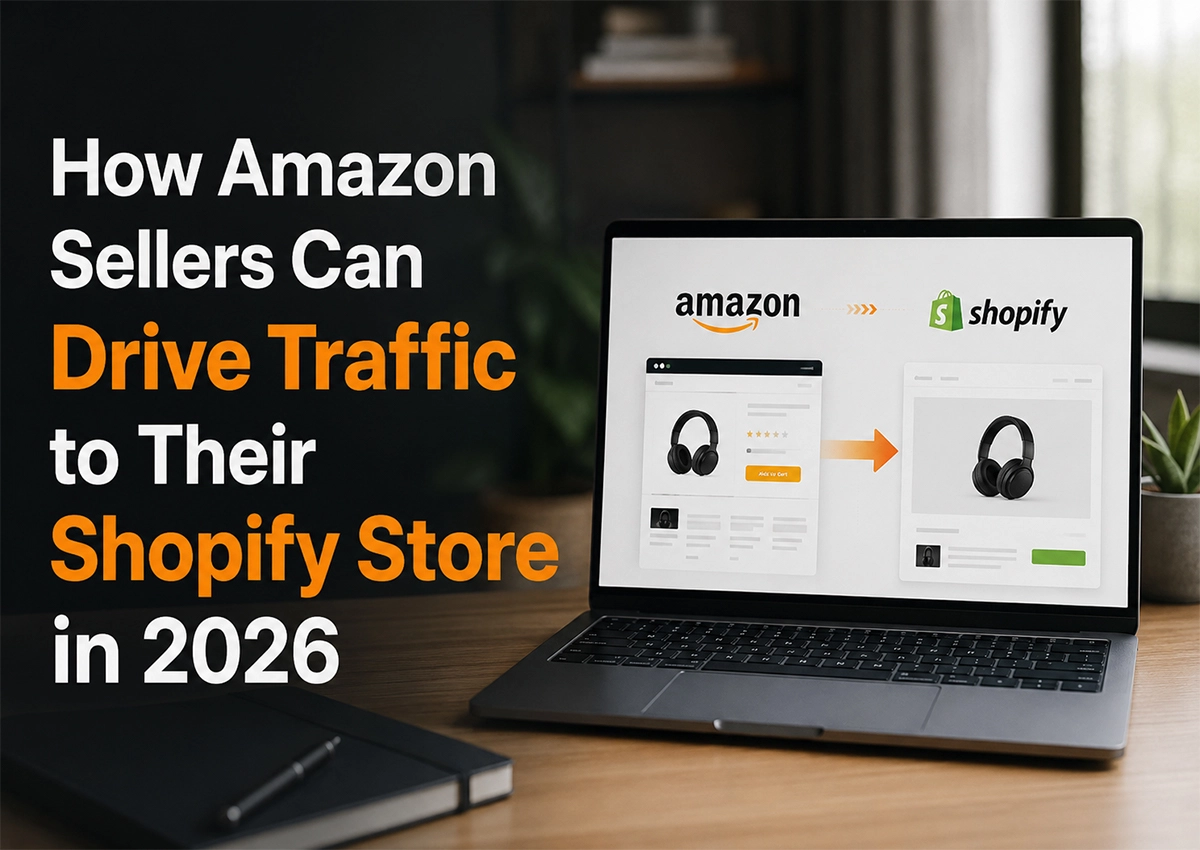
    How Amazon sellers can drive traffic to their Shopify store using SEO, content marketing, Google Ads, Meta Ads, and omnichannel ecommerce strategies in 2026

    Summary

    Amazon is an incredible sales channel, but it shouldn’t be your only one.

    The smartest sellers in 2026 are building brands across multiple platforms. They use Amazon for visibility, Shopify for customer ownership, and digital marketing to connect everything together.

    This guide explores compliant ways to generate Amazon external traffic, increase Shopify visitors, improve conversions, and create sustainable Amazon brand growth.

    Key Takeaways

    Don't Depend on One Marketplace

    Amazon can change overnight. A Shopify store gives your business more stability and control.

    Omnichannel Wins in 2026

    Customers shop across Amazon, Google, Instagram, TikTok, Walmart, and brand websites. Meet them everywhere.

    Traffic Is Only Half the Battle

    Driving visitors matters. Converting them matters even more. That’s where Shopify conversion optimization becomes essential.

    Customer Ownership Changes Everything

    Email lists, loyalty programs, subscriptions, and first-party data are assets Amazon simply doesn’t provide.

    Entity Overview

    Category: Ecommerce Growth Strategy

    Related Entities:

    • Amazon Seller Central
    • Amazon Attribution
    • Amazon Brand Registry
    • Shopify
    • Shopify App Store
    • Google Analytics 4 (GA4)
    • Google Search Console
    • Omnichannel Ecommerce
    • First-Party Data
    • Customer Lifetime Value (CLV)
    • Conversion Rate Optimization (CRO)
    • Performance Marketing
    • Social Commerce

    Why Amazon Sellers Should Build a Shopify Store?

    Most sellers start on Amazon for one simple reason. Customers are already there.

    • You list a product.Β 
    • Run some PPC.Β 
    • Get sales.Β 

    This feels good, but after a while, reality kicks in.

    • You don’t own the customer.Β 
    • You don’t control the buying journey.Β 
    • You can’t build an email list or create a loyalty program.Β 

    If Amazon changes its algorithm or increases advertising costs, your growth slows overnight.

    That’s why smart brands are moving toward omnichannel ecommerce. Nobody’s leaving Amazon; they’re just building smartly.

    Amazon becomes the acquisition engine; Shopify becomes the brand hub.

    We’ve seen this shift firsthand at Krolog. Brands that invest in both channels often build stronger customer relationships, improve lifetime value, and rely less on marketplace changes. Growth becomes more predictable and less stressful.

    What Is Amazon External Traffic?

    Simply put, Amazon external traffic refers to visitors coming to Amazon from outside sources.

    Think about someone discovering your product through:

    • Google Search
    • Instagram
    • Facebook
    • TikTok
    • Pinterest
    • YouTube
    • Blogs
    • Email marketing
    • Influencer content

    They click the link and land on Amazon; that’s external traffic.

    Interestingly, the strategy also works the other way around: building brand awareness outside Amazon so shoppers eventually search for your brand directly or visit your Shopify store through your own marketing channels.

    The goal isn’t to move Amazon customers away from Amazon, but to build a recognizable brand that customers remember wherever they shop.

    Can You Drive Traffic from Amazon to Shopify?

    This is one of the biggest misconceptions among sellers.

    The answer? Yes, but not directly.

    Amazon doesn’t allow sellers to use product listings, A+ Content, packaging inserts that violate policy, or buyer messaging to redirect customers to another website for purchases.

    Trying to bypass these rules can put your account at risk. However, you can absolutely grow both businesses together.

    The trick is to build awareness outside Amazon rather than pulling customers away from it.

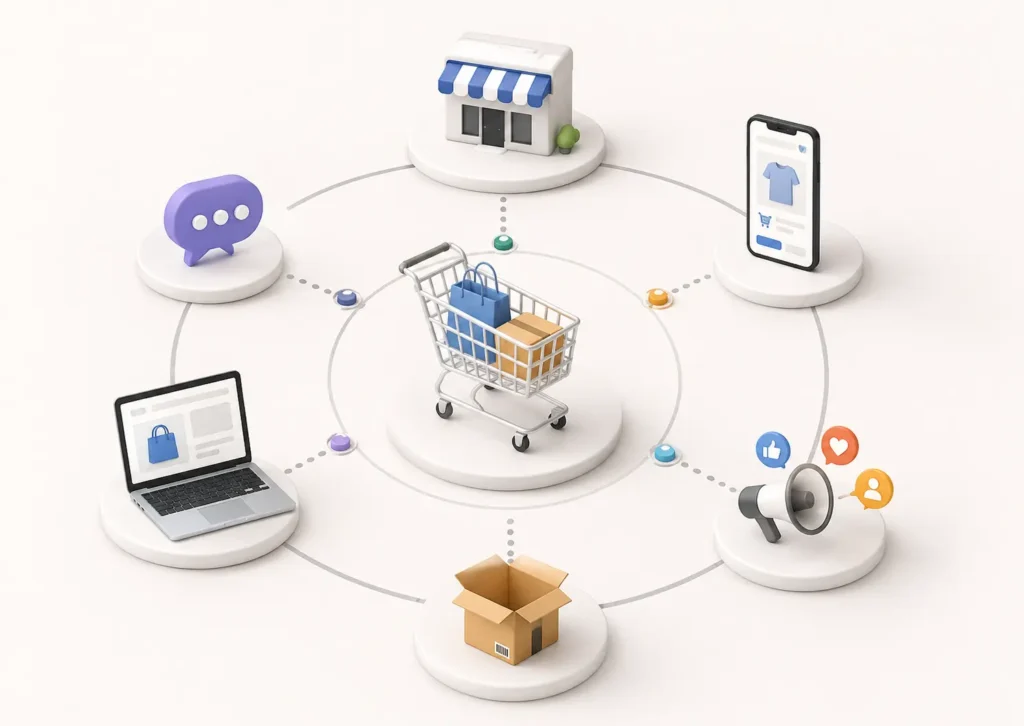
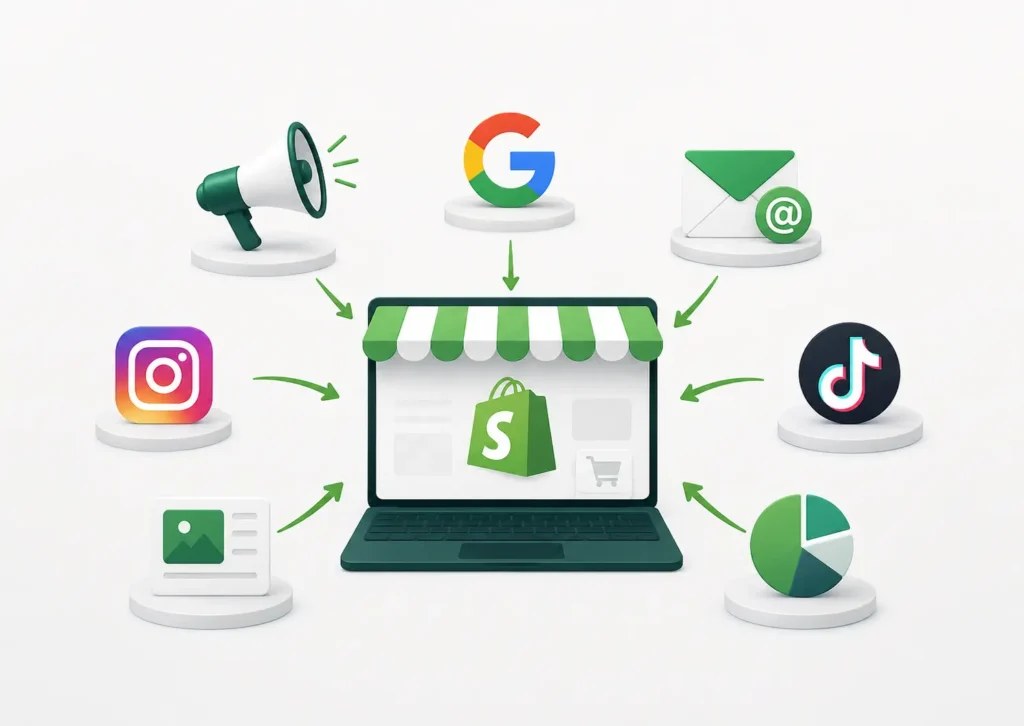
    Successful brands use channels like:

    Customers discover the brand first. Then they decide where they want to buy.

    Some choose Amazon; others prefer Shopify. Either way, the brand wins.


    How Amazon Attribution Helps Measure External Traffic?

    Driving Amazon external traffic is only half the strategy. Measuring what actually converts is where most sellers fall short.

    That’s where Amazon Attribution comes in.

    Amazon Attribution is a free analytics tool for Brand Registered sellers. It lets you track how visitors from channels like Shopify, Google Ads, Meta Ads, email campaigns, blogs, and influencers perform once they reach Amazon.

    Instead of guessing which marketing channel drives sales, you can see metrics such as:

    • Clicks and click-through rate (CTR)
    • Detail Page Views
    • Add-to-Cart actions
    • Purchases
    • Total sales
    • Return on ad spend (ROAS)

    This data helps sellers invest more confidently in omnichannel ecommerce. You can identify which campaigns bring high-intent shoppers, optimize your budget, and refine messaging across every touchpoint.

    Expert Observation

    One mistake we often see is brands sending traffic everywhere but measuring nowhere. They spend thousands on Meta Ads or influencer campaigns without knowing which channel actually generates Amazon sales.

    Amazon Attribution removes this guesswork. Combined with Shopify analytics and GA4, it gives sellers a clearer picture of the complete customer journey; from the first click to the final purchase.

    Ready to Grow Beyond Amazon?

    Build a Shopify growth strategy that drives more traffic, boosts conversions, and helps you own your customer relationships.

    Understanding Amazon's Rules on External Traffic

    Amazon encourages sellers to bring shoppers onto its marketplace. It doesn’t encourage sending Amazon shoppers somewhere else. That’s an important difference.

    Here’s what you should avoid:

    • Adding Shopify links inside product listings.
    • Asking buyers to purchase directly from your website.
    • Including promotional inserts that violate Amazon’s communication policies.
    • Using Buyer-Seller Messaging to market your Shopify store.

    Instead, focus on building your brand beyond Amazon.Β 

    • Create educational content.Β 
    • Invest in SEO.Β 
    • Run social campaigns.Β 
    • Publish blogs.Β 
    • Grow your community.

    Eventually, customers start searching for your brand name instead of a generic product keyword. That’s when real Amazon brand growth begins.

    Why Omnichannel Ecommerce Is Winning in 2026?

    Customer journeys don’t look the same anymore. Someone might discover your product on Instagram, read a blog the next day, or watch a YouTube review over the weekend.

    Then finally buy from Amazon, Shopify, or even both. That’s omnichannel.

    The best brands aren’t asking, “Which platform should I sell on?”

    They’re asking, “How do all my channels work together?”

    That’s a completely different strategy. And honestly, it’s the one that’s helping brands grow faster in 2026.

    Expert Observation

    One mistake we frequently see is sellers treating Amazon and Shopify like competitors.

    They’re not. Amazon gives you reach; Shopify gives you ownership.

    When both platforms support each other instead of competing, the business becomes much stronger.

    7 Proven Ways to Drive Traffic to Your Shopify Store in 2026

    Getting visitors to the store isn’t the hard part anymore; getting the right visitors is.

    The brands growing fastest don’t depend on one traffic source. They build multiple channels. If one slows down, another keeps sales moving.

    Here are the strategies we see working consistently.

    1. Use Content Marketing to Build Organic Shopify Traffic

    Content still compounds.

    • Publish buying guidesΒ 
    • Comparison blogs
    • FAQs
    • Product tutorialsΒ 
    • Short videos

    Solve customer problems before asking for a sale. Over time, this becomes a reliable source of Shopify traffic without paying for every click.

    2. Invest in SEO and Shopify Conversion Optimization

    Traffic alone doesn’t pay the bills. Your Shopify store should convert visitors into buyers. That’s where Shopify conversion optimization matters. Focus on:

    • Faster page speed
    • Mobile-first design
    • Clear product pages
    • Strong product reviews
    • Simple checkout
    • Trust badges

    More visitors are great. Better conversion rates are even better.

    3. Run Meta Ads for Shopify

    Facebook and Instagram still drive high-quality traffic when campaigns are built around customer intent. Successful Meta Ads for Shopify campaigns usually focus on:

    • Retargeting past visitors
    • Lookalike audiences
    • Video creatives
    • User-generated content
    • Seasonal promotions

    Don’t sell immediately; tell a story first; sales usually follow.

    4. Build an Email List You Actually Own

    Amazon owns its customer relationships. Shopify lets you own yours.

    Offer useful lead magnets, early access, loyalty rewards, or exclusive content. Then stay connected through email.

    Repeat customers almost always cost less than acquiring new ones.

    5. Partner with Influencers and Creators

    People trust people. Micro-influencers often outperform celebrity accounts because their audiences are more engaged.

    Give creators room to tell authentic stories instead of scripted promotions.

    6. Retarget Visitors Across Multiple Channels

    Most people don’t buy on the first visit. Retarget them through Meta Ads, Google Display, email, and SMS.

    A gentle reminder often performs better than chasing cold traffic every week.

    7. Measure Everything and Improve

    Data always wins. Track where visitors come from, what they click, where they leave, and what converts.

    Small improvements across multiple touchpoints usually outperform one big marketing campaign.

    Expert Observation

    One mistake we see often at Krolog is brands spending heavily to drive traffic to Shopify store pages while ignoring the shopping experience.

    Traffic isn’t usually the problem. The store is.

    We’ve seen brands double revenue without increasing ad spend, simply by improving product pages, checkout flow, and conversion rate. Sometimes the biggest growth opportunity is already sitting inside your website.


    Ready to Grow Beyond Amazon?

    Build a Shopify growth strategy that drives more traffic, boosts conversions, and helps you own your customer relationships.

    Final Verdict

    Amazon can launch a product, but Shopify can build a brand.

    The smartest sellers in 2026 aren’t choosing one over the other. They’re making both work together.

    Use Amazon to capture demand and Shopify to create relationships, collect first-party data, and increase customer lifetime value. That’s where sustainable growth comes from.

    At Krolog, we’ve seen brands unlock faster growth by combining Amazon external traffic, marketplace expertise, Shopify conversion optimization, SEO, and performance marketing into one connected strategy.

    Channels matter, but strategy matters more.

    Frequently Asked Questions

    About the Author

    Sandeep K., Founder & CEO of Krolog Inc., has over 10 years of experience helping ecommerce brands grow across Amazon, Shopify, Walmart, and other online marketplaces.
    His expertise spans Amazon SEO, PPC, omnichannel growth strategies, Shopify optimization, and performance marketing. He has worked with brands across multiple industries to improve profitability, customer acquisition, and long-term marketplace success.

    Β 

    Ready to Grow Beyond Amazon?

    Selling on Amazon is a great start. Building an independent brand is what creates long-term value.

    Whether you need a high-converting Shopify store, Amazon SEO, PPC management, or a complete ecommerce growth strategy, Krolog helps brands scale with data-driven execution.

    Book a free ecommerce growth audit and discover practical opportunities to increase traffic, improve conversions, and build a stronger brand across every sales channel.

    Related Article

    How to Write an Amazon Plan of Action (POA) in 2026 That Actually Gets Approved

    How to Write an Amazon Plan of Action (POA) in 2026 That Actually Gets Approved

    How to Write an Amazon Plan of Action (POA) in 2026 That Actually Gets Approved Account suspended? Few things stress…

    How Amazon Sellers Can Drive Traffic to Their Shopify Store in 2026

    How Amazon Sellers Can Drive Traffic to Their Shopify Store in 2026

    How Amazon Sellers Can Drive Traffic to Their Shopify Store in 2026 Selling on Amazon is exciting. Sales come fast,…

    Amazon Conversion Rate: How to Calculate It and Improve It in 2026

    Amazon Conversion Rate: How to Calculate It and Improve It in 2026

    How Much Does Amazon Advertising Cost in 2026? (CPC, Budgets & ROI Explained) Advertising on Amazon isn’t expensive; poor advertising…

    Scroll to Top