How Amazon Sellers Can Use Shopify to Build Customer Lifetime Value
How Amazon Sellers Can Use Shopify to Build Customer Lifetime Value Selling on Amazon gets you customers; Retaining them is…

Selling on Amazon gets you customers; Retaining them is a different game.
That’s exactly where Shopify email marketing changes the equation.Β
Amazon is brilliant for discovery and first purchases, while Shopify helps brands build repeat purchases, stronger customer relationships, and higher profitability over time.
This guide explains how Amazon sellers can use Amazon Shopify integration, customer retention marketing, email automation, SMS marketing, and loyalty strategies to increase customer lifetime value without competing against Amazon.
Most Amazon brands spend thousands acquiring new customers but very little keeping them; that’s expensive.
Building ecommerce customer lifetime value means turning one-time Amazon buyers into repeat customers through owned channels like Shopify. With Shopify marketing automation, ecommerce email automation, SMS campaigns, bundles, loyalty rewards, and personalized offers, sellers can generate more revenue without constantly increasing ad spend.
The goal isn’t replacing Amazon; it’s building a customer retention engine that works alongside it.
Amazon generates first purchases. Shopify creates opportunities for repeat purchases, subscriptions, loyalty programs, and personalized experiences that increase long-term customer value.
Acquiring a new customer is usually more expensive than retaining an existing one. Strong customer retention marketing improves profitability over time.
Automated welcome emails, abandoned cart flows, win-back campaigns, and SMS marketing help brands reconnect with customers and encourage repeat purchases.
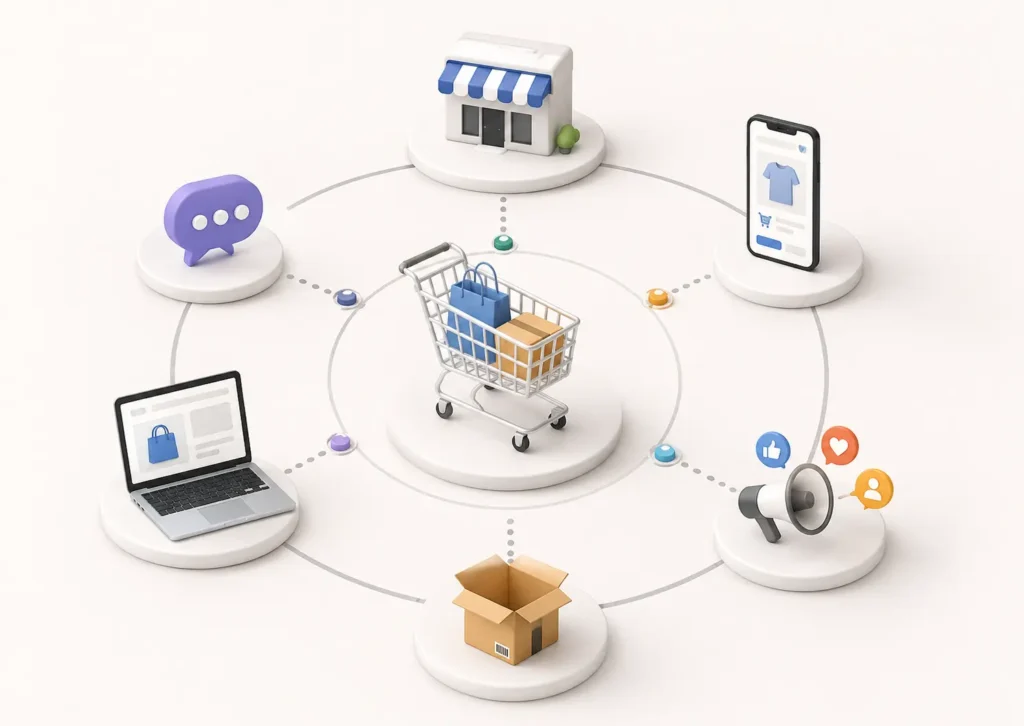
A thoughtful Amazon Shopify integration creates a complete customer journey where Amazon drives discovery, and Shopify builds ownership and retention.
Every seller celebrates the first order; smart sellers celebrate the second. That’s the difference between revenue and customer lifetime value strategy.
Customer Lifetime Value (CLV) measures how much revenue a customer generates throughout their relationship with your brand, not just during their first purchase.
Imagine two customers.
Customer A buys one product on Amazon and never returns.
Customer B buys on Amazon once, joins your Shopify email list, purchases a bundle two months later, and subscribes to monthly refills.
Both customers started the same way. One became significantly more valuable because the brand stayed connected after the first sale.
That’s why increasing customer lifetime value has become one of the biggest ecommerce priorities in 2026.
Instead of chasing endless new customers, brands can grow faster by increasing the value of customers they already have.Β
A stronger customer lifetime value strategy helps brands:
One mistake we often see at Krolog is brands measuring Amazon success only through monthly sales. Revenue looks healthy, but repeat purchase rates stay flat because there’s no customer retention strategy outside Amazon.
Shopify email marketing is probably the easiest place to start building owned customer relationships.
Once customers purchase through Shopify, brands can communicate without paying marketplace fees or relying entirely on ads.
The key is automation, not sending random promotional emails.
Email isn’t competing for attention the same way paid ads do. Instead, it builds familiarity.
Customers remember brands that continue adding value after checkout, not just during promotions.
Customer acquisition keeps getting more expensive.
Retention becomes the smarter investment. Customer retention marketing focuses on keeping existing customers engaged long after their first purchase.
Instead of constantly asking customers to buy again, brands create reasons to come back.
Examples include:
Small touchpoints create long-term loyalty.
A skincare brand selling through Amazon launches Shopify for subscriptions.
Customers receive skincare routines, refill reminders, and seasonal offers through Shopify email marketing.
The result isn’t just another sale; it’s a customer returning every month without another acquisition campaign.
Retention marketing works best when it feels helpful, not salesy. Educational emails, product care guides, recipes, tutorials, or usage reminders often outperform constant discount campaigns because they keep the brand useful between purchases.
Krolog helps Amazon sellers launch a Shopify store built for repeat customers and long-term growth.
Most sellers think automation means sending more emails; not really.
Good Shopify marketing automation sends the right message at the right time. Nothing feels forced or spammy.
A customer buys a protein powder. Thirty days later, they receive a refill reminder.
Someone purchases a skincare product. Two weeks later, they get educational content showing how to maximize results.
That’s automation doing its job.
As a result, brands stay connected with customers long after the first purchase and create more opportunities to increase repeat purchases.
One mistake we often see at Krolog is sellers expecting Amazon buyers to automatically become Shopify email subscribers; that doesn’t happen. The goal is to build an owned audience through Shopify, social media, paid ads, content marketing, and other compliant opt-in channels, not through Amazon buyer data.
Email remains powerful. However, SMS marketing for ecommerce often generates faster engagement because text messages are opened almost immediately. That doesn’t mean blasting promotions every week; it means using SMS strategically.
For example, imagine a supplement brand running both Amazon and Shopify.
Amazon acquires the customer; Shopify captures the email.
SMS reminds them when it’s time to reorder.
Simple and effective.
Every message should provide value.
Customers unsubscribe quickly when every text sounds like a discount alert.
Instead, combine educational content, reminders, product updates, and occasional offers.
That’s how brands increase engagement without creating fatigue.
Many sellers assume Amazon and Shopify compete with each other; in reality they don’t.
The strongest brands use both.
Amazon excels at customer acquisition; Shopify excels at customer retention. Together, they create a complete growth ecosystem.
A customer discovers your product on Amazon and they purchase.
Later, they visit your Shopify store through social media, search, packaging inserts, content marketing, or brand awareness efforts.
Now they enter your owned ecosystem.
That’s where Amazon Shopify integration creates long-term value.
Without Shopify, many brands keep paying acquisition costs over and over again. With Shopify, they begin building customer relationships they actually own.
Brands often focus only on where the first sale happens. The bigger opportunity is controlling what happens after that first sale. That’s where lifetime value is built.
Krolog helps Amazon sellers launch a Shopify store built for repeat customers and long-term growth.
Getting more customers isn’t always the answer. Sometimes the easiest growth comes from increasing how much existing customers spend. That’s where strategies to increase average order value become powerful.
A customer already trusts your brand; the goal is helping them purchase more value, not simply more products.
For instance, a customer purchasing coffee beans might also need filters, storage containers, or a subscription plan. Instead of waiting for a future order, Shopify can present those opportunities during checkout.
On Amazon, customer relationships are limited; on Shopify, you control the entire experience.
You decide what products to recommend, when to recommend them, and how to personalize the journey.
As a result, increasing average order value becomes much easier.
Customer retention isn’t one tactic; it’s a collection of systems working together.
The most successful brands combine multiple ecommerce customer retention strategies rather than relying on discounts alone.
Notably, the best-performing brands focus on customer experience first and promotions second.
Two brands sell nearly identical products.
One sends endless discount codes. The other sends helpful content, product tips, customer success stories, and personalized recommendations.
A year later, the second brand usually has stronger retention, higher repeat purchase rates, and healthier margins.
Thatβs because loyalty isn’t built through discounts alone; it’s built through trust.
One of the most effective ecommerce customer retention strategies is surprisingly simple. Stay useful after the purchase. Most brands stop communicating once the order ships. The brands that keep helping customers are usually the brands customers return to.
Most brands launch Shopify with excitement.
Three months later? The store is quiet.
The problem usually isn’t traffic; it’s what happens after the first purchase.
Many sellers copy Amazon listings directly onto Shopify.Β
Β
Customers already bought the product. Now they need a reason to stay with the brand.
Use Shopify to tell your story, explain product benefits, and create a branded shopping experience Amazon can’t offer.
That’s not Shopify email marketing.
Instead, mix promotional emails with educational content, product care tips, tutorials, recipes, FAQs, and customer stories. Retention emails work best when they deliver value before asking for another purchase.
Every customer shouldn’t receive the same campaign. Someone who purchased yesterday needs onboarding. Someone inactive for 90 days needs a win-back campaign.
Segment customers by purchase history, engagement, order value, and product preferences before launching ecommerce email automation.
Many brands celebrate ROAS and monthly sales while ignoring lifetime value.
Track repeat purchase rate, average order value, subscription retention, and email revenue alongside Amazon performance. Those metrics reveal whether retention is actually working.
The biggest retention mistake isn’t sending too few emails. It’s sending emails without context. Every message should match where the customer is in their journey.
Customer retention looks very different in 2026.
Modern Shopify tools analyze browsing behavior, purchase frequency, engagement history, and predicted churn.
As a result, brands can send replenishment reminders, product recommendations, and loyalty offers at exactly the right moment instead of relying on fixed schedules.
Customers expect relevant experiences. Winning brands personalize:
Small personalization improvements often create bigger retention gains than larger discount campaigns.
Instead of retargeting every visitor with the same ad, brands now build audiences based on customer behavior.
Examples include:
This creates more relevant campaigns and reduces wasted advertising spend.
Amazon is where customers discover your brand; Shopify is where customers remember it.
The brands growing fastest in 2026 aren’t chasing endless first-time buyers; they’re building systems that encourage customers to come back, spend more, and stay longer.
That’s exactly what Shopify email marketing, customer retention marketing, SMS marketing for ecommerce, and Shopify marketing automation are designed to do. Together, they help brands increase customer lifetime value, improve repeat purchases, and build healthier profit margins without relying only on Amazon ads.
At Krolog, we help brands connect Amazon and Shopify into one growth engine. From Shopify development and ecommerce email automation to Amazon SEO, PPC, CRM, and retention strategy, we build systems that grow both channels without cannibalization.
Shopify email marketing helps Amazon sellers build relationships after the first purchase through welcome emails, replenishment reminders, win-back campaigns, and personalized promotions that encourage repeat purchases.
Amazon Shopify integration connects marketplace sales with a branded DTC experience, allowing sellers to manage inventory, build customer retention campaigns, and grow repeat purchases through Shopify.
The best customer lifetime value strategy combines email automation, SMS marketing, loyalty rewards, subscriptions, personalized recommendations, and customer segmentation to increase repeat purchases and long-term revenue.
SMS marketing for ecommerce works well for replenishment reminders, flash sales, restock alerts, subscription renewals, and personalized offers when used strategically.
Shopify helps brands increase average order value through product bundles, quantity discounts, personalized recommendations, upsells, cross-sells, and subscription offers during the customer journey.
Yes, Shopify helps Amazon sellers increase customer lifetime value by creating an owned customer journey through email marketing, SMS marketing, subscriptions, loyalty programs, personalized offers, and post-purchase automation that encourage repeat purchases.
Amazon sellers can use Shopify to build opt-in email and SMS lists, automate post-purchase communication, launch loyalty programs, offer subscriptions, and send personalized recommendations that keep customers engaged and increase repeat purchases over time.
Sandeep K, Founder & CEO of Krolog, is an Amazon and Shopify growth consultant with over 10 years of experience helping ecommerce brands scale through Amazon SEO, PPC, Shopify development, CRM, marketing automation, and customer retention strategies.
Getting the first sale is only the beginning; keeping customers coming back is where real growth happens.
Whether you’re launching Shopify alongside Amazon or building a complete customer retention system with email, SMS, loyalty, and automation, Krolog helps brands turn one-time buyers into long-term customers.
Request a free Shopify + Amazon growth audit and discover opportunities to increase customer lifetime value, repeat purchases, and overall profitability.
How Amazon Sellers Can Use Shopify to Build Customer Lifetime Value Selling on Amazon gets you customers; Retaining them is…

Amazon FBA Reimbursements: How to Recover Lost or Damaged Inventory Costs in 2026 Inventory goes missing on Amazon more often…
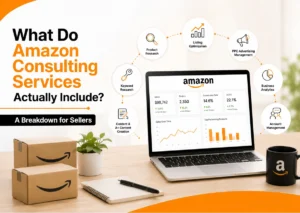
What Do Amazon Consulting Services Actually Include? A Breakdown for Sellers Selling on Amazon isn’t as simple anymore. Competition is…
Krolog was born from a simple yet powerful idea: to empower businesses with the tools and strategies needed to thrive in the ever-evolving digital marketplace. Our journey is a testament to the transformative impact of strategic E-commerce solutions.


Copyright Β© 2026 All Right ReservedΒ